
Symptom Timeline
If that illness is caused by Vibrio vulnificus, a dangerous bacterium found in warm coastal waters, understanding how symptoms progress is critical. This is not ordinary food poisoning. It is a rapidly advancing infection that can turn life-threatening within hours.
INTRODUCTION
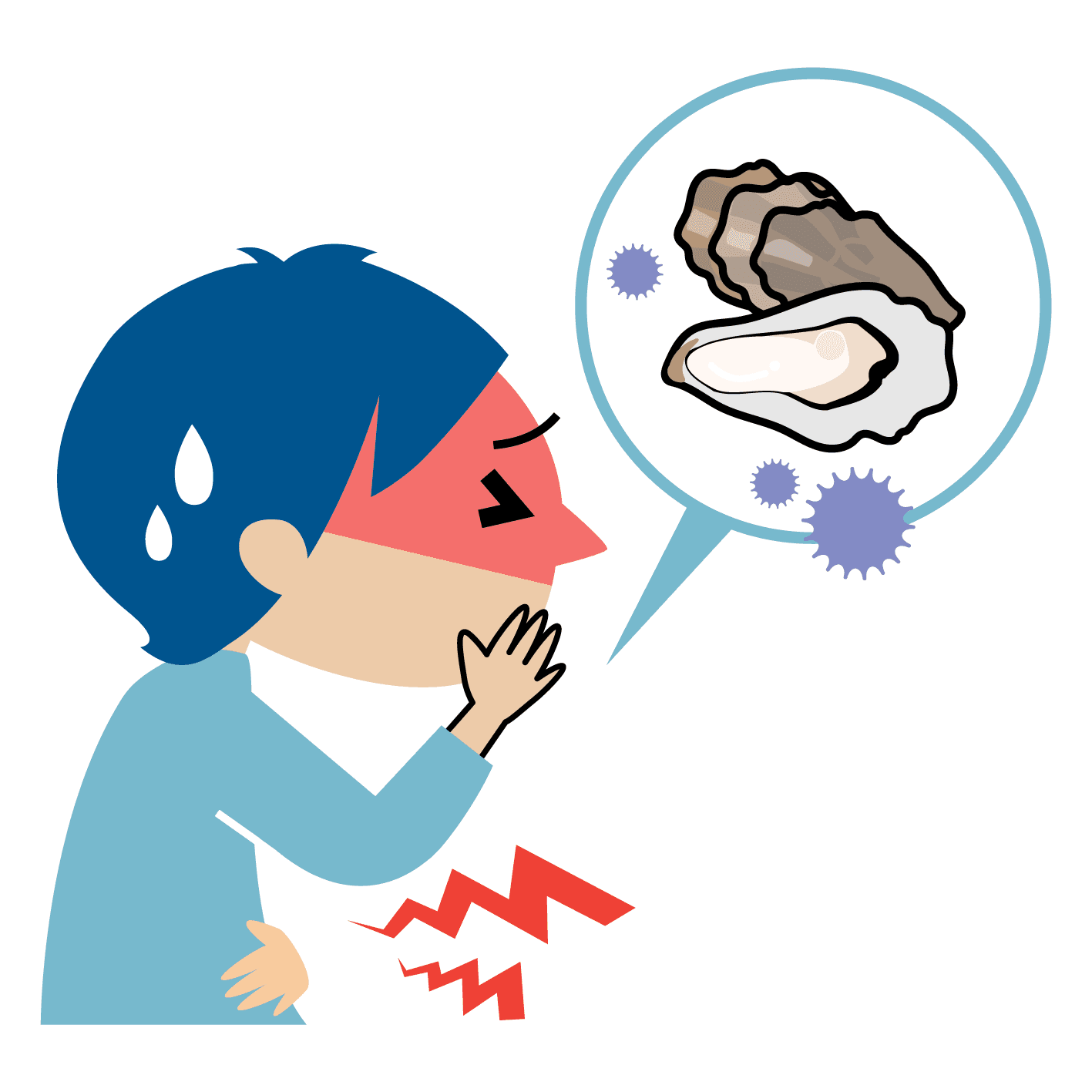
If that illness is caused by Vibrio vulnificus, a dangerous bacterium found in warm coastal waters, understanding the progression of symptoms is critical. This is not just another case of food poisoning; it is a rapidly advancing infection that can become life-threatening in a matter of hours.
This guide provides a detailed breakdown and timeline of Vibrio vulnificus symptoms. Knowing what to look for, and when, can make all the difference in seeking timely medical care for you or your loved one. Don’t wait it out — get medical care right away, especially if fever develops, symptoms worsen, or you’re in a high-risk group.
EARLY INDICATIONS
Fever and Chills
A sudden high fever and chills are often the first signs.

Nausea and Vomiting
Persistent nausea and vomiting as the body reacts to the infection.

Watery Diarrhea
Severe diarrhea leading to dehydration and electrolyte loss.

Abdominal Cramping
Sharp stomach pain accompanied by other digestive symptoms.
ILLNESS PROGRESSION
If untreated, Vibrio vulnificus symptoms escalate from gastrointestinal distress to systemic infection. This stage is critical, as the bacteria can cause life-threatening complications.
Septic Shock:
A drastic drop in blood pressure, leading to dizziness, confusion, and organ failure.
Blistering Skin Lesions:
Painful, fluid-filled blisters (bullae) that may appear dark purple or black, signaling a systemic bloodstream infection and tissue death.

If you suspect a Vibrio vulnificus infection, seek medical care right away.
ESCALATION TIMELINE

Vibrio vulnificus accounts for the highest number of seafood-related deaths in the U.S. due to its rapid progression. Severe infections can be deadly; the CDC reports about 1 in 5 people with this infection die, sometimes within 1-2 days of becoming ill.
Seek immediate medical attention if:
You ate raw shellfish and develop fever, chills, or severe gastrointestinal symptoms.
Painful, blistering skin lesions appear, especially on the limbs.
Signs of septic shock occur, such as confusion, rapid heart rate, or low blood pressure.
Inform medical staff about recent oyster consumption to expedite diagnosis and treatment.
DIAGNOSIS & TESTING
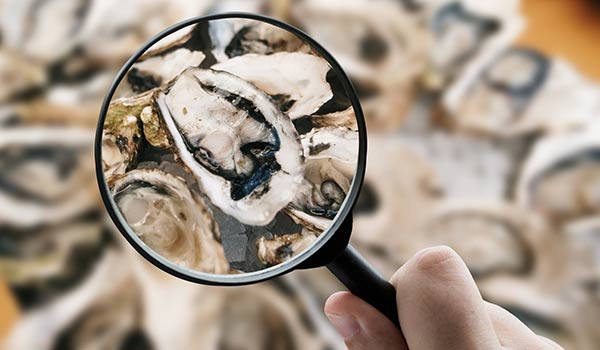
A Vibrio vulnificus infection is diagnosed when Vibrio bacteria are identified in the stool, wound/lesion, or blood of a patient showing symptoms of vibriosis. Healthcare providers may use culture-independent diagnostic testing (CIDT) or isolate the bacteria directly from a clinical specimen by culture. Understanding testing methods will help you to better advocate for yourself or your loved one.
If a CIDT is positive for Vibrio, the CDC recommends confirming the result with a culture whenever possible. CIDTs do not distinguish between different types of non-cholera Vibrio, which is necessary for selecting appropriate treatment.
When using culture methods, selective media such as thiosulfate citrate bile-salts (TCBS) agar are recommended for examining stool specimens and improving detection.
Early and accurate diagnosis can lead to prompt treatment, which is critical for the best outcome.
SAFEGUARDING & PRECAUTIONS
Preventing Vibrio vulnificus infection starts with taking a couple of important steps. Following these precautions can greatly reduce your risk of serious illness.
Avoid Raw Oysters: The best way to prevent infection is to eat only thoroughly cooked shellfish. Heat kills Vibrio and other dangerous bacteria. (Never assume an oyster is cooked just because its shell has opened!)
Handle Seafood Safely: Wash your hands thoroughly with soap and water after handling raw shellfish. Use separate cutting boards to prevent cross-contamination.
For individuals with chronic liver disease, diabetes, cancer, or any condition that weakens the immune system, these precautions are not just recommendations — they are potentially life-saving. These groups are far more susceptible to severe infection and have a much higher risk of death.
Knowing the timeline of Vibrio vulnificus symptoms empowers you to act decisively in a crisis. This knowledge can help you recognize the danger early and advocate for the urgent medical care you or your loved one needs.
If you suspect a serious oyster-related illness, seek emergency care first. If you later need legal guidance about a confirmed Vibrio case and who may be responsible, this site explains what to document and who may be responsible.
WOUND EXPOSURE
Vibrio vulnificus doesn't only come from eating raw oysters. When an open wound meets warm salt or brackish water, infection can set in far faster — sometimes within 4 hours. Watch for intense pain that seems out of proportion to the injury, rapidly spreading redness, swelling, and fluid-filled blisters. These infections escalate quickly and need emergency care right away.
FAQ
1) Can you get Vibrio vulnificus without eating seafood?
Yes. You can contract the bacteria if an open wound comes into contact with infected salt or brackish water (places where salt water and fresh water converge). This includes cuts, scrapes, burns, or even new tattoos.
2) What does a Vibrio wound infection look like?
Infections from water exposure often appear faster than foodborne cases, sometimes within as little as 4 hours.
What to look for:
Intense pain that seems disproportionate to the injury itself
Rapidly spreading redness or warmth around the wound
Swelling around the wound
Fluid-filled blisters around the wound
A fever may develop as the body’s immune system responds
These infections can quickly become severe and require immediate emergency care.
3) Do the symptoms and timeline differ with Vibrio wound infection?
Yes. When Vibrio vulnificus enters through an open wound exposed to contaminated water, symptoms can develop much more rapidly — often within 4 to 24 hours. Early signs include any of those listed above.
4) Can a Vibrio wound infection cause tissue damage or loss?
Yes, without quick medical treatment, the infection can progress to necrotizing fasciitis, a severe and life-threatening “flesh-eating” infection that destroys skin, fat, and muscle tissue. Immediate medical attention is crucial to prevent tissue loss, amputation, or death.