Vibrio Vulnificus Facts: FAQ
FAQ
If you or someone you love is searching for Vibrio vulnificus, you’re likely trying to understand a serious, fast-moving illness. This FAQ explains—in plain language—how infections happen (most often from raw/undercooked oysters or salt/brackish water exposure to a wound), what symptoms are common, who is at higher risk, and practical ways to reduce exposure. This page is educational only and not medical advice. If you suspect a severe infection, seek medical care right away.
1) What is Vibrio vulnificus?
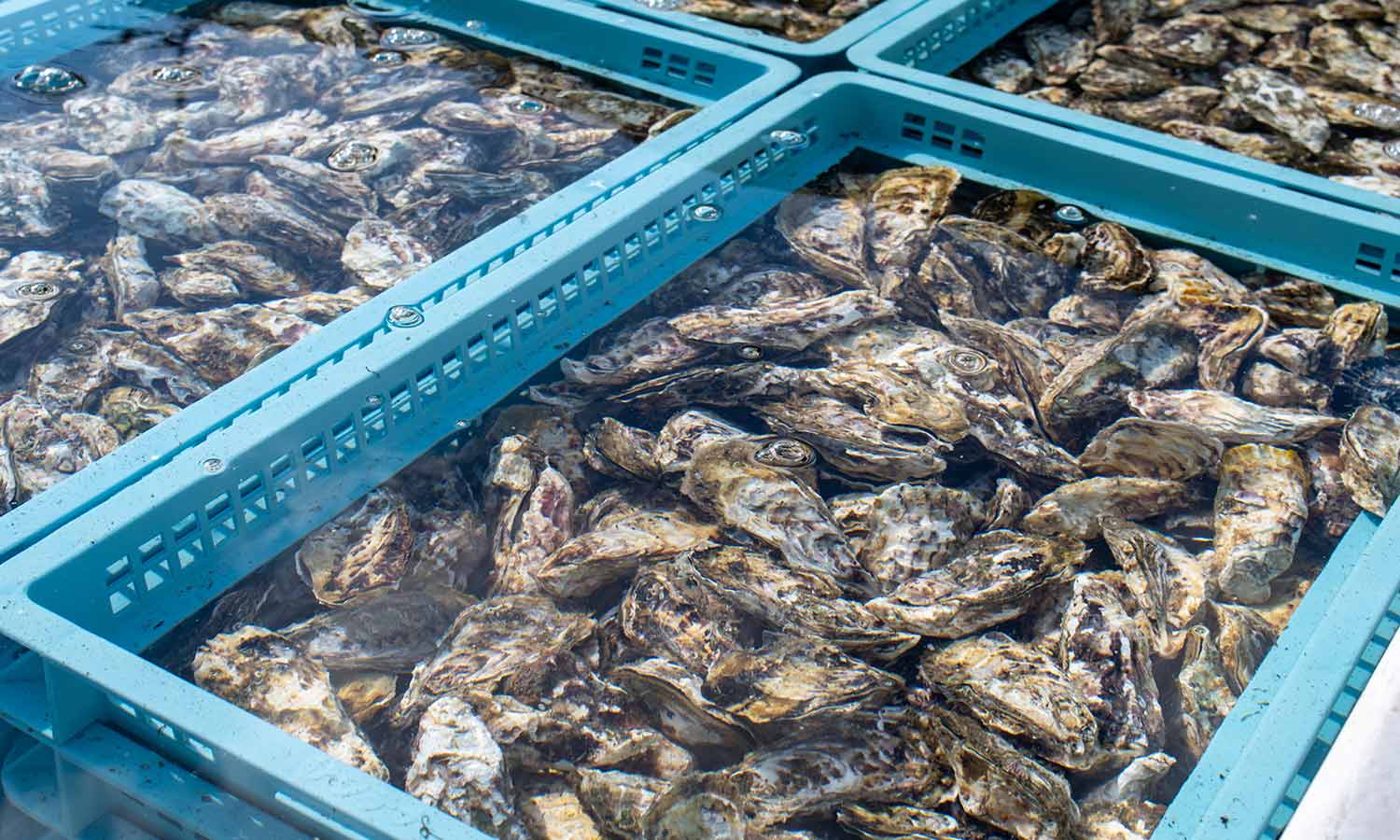
Vibrio vulnificus is a bacteria that naturally lives in warm coastal saltwater and brackish water. People can get infected if the bacteria enters the body—most commonly by eating raw/undercooked shellfish (especially bad oysters) or when salt/brackish water gets into a cut or wound. In some cases, it can cause severe illness that progresses quickly.
2) How do people usually get Vibrio vulnificus?
Most serious infections come from two routes:
Eating raw or undercooked oysters (and sometimes other raw/undercooked shellfish)
Exposing an open wound (even a small cut, scrape, puncture, or a fresh tattoo/piercing) to warm salt or brackish water
A key point: you usually can’t tell an oyster is contaminated by appearance, smell, or taste.
3) Can one bad oyster make you seriously ill?
Yes. Those with preexisting health conditions are particularly at risk if they are infected with Vibrio vulnificus by bad oysters. However, there are several other types of bacteria and toxins that can be found in oysters make someone very ill (like salmonella).
4) How fast do symptoms start after eating bad oysters or getting seawater in a cut?
It can start quickly, but timing varies. Many public health references describe onset often within 12–72 hours, particularly for wound infections after contaminated seawater exposure.
5) What are the symptoms of Vibrio vulnificus infection?
Symptoms can differ based on how exposure happened:
After eating contaminated seafood (intestinal illness): diarrhea, stomach cramps, nausea/vomiting, fever, chills.
Wound/skin infection: increasing redness, swelling, warmth, and pain; discoloration; oozing; or blisters—especially after warm salt/brackish water exposure.
Severe bloodstream infection (sepsis): fever/chills plus signs of serious illness (for example, confusion or very low blood pressure) and sometimes blistering skin lesions.
6) How deadly is Vibrio vulnificus?
Vibrio vulnificus is uncommon, but it can be extremely severe. The CDC notes that about 1 in 5 people with this infection die, sometimes within a day or two of becoming ill.
7) Who is at higher risk for severe illness?
Severe illness is more likely in people with certain underlying conditions—especially after raw oyster exposure. Higher-risk groups commonly include people with liver disease, diabetes, alcohol use disorder, hemochromatosis (iron overload), and weakened immune systems (including some cancer treatments or immunosuppressive medications). The FDA’s messaging is direct: high-risk individuals should not eat raw oysters and should only eat oysters that are thoroughly cooked.
8) Can I get Vibrio vulnificus from swimming in the ocean with a cut?
Yes. Some infections occur when warm salt or brackish water enters an open wound, even if the wound seems minor. The CDC recommends preventing wound exposure when possible and taking precautions if you can’t avoid exposure.
9) Is Vibrio vulnificus contagious (can it spread person-to-person)?
Generally, no. Most Vibrio infections are acquired from seafood exposure or water-to-wound exposure, not from person-to-person spread.
10) How do doctors test for or diagnose Vibrio vulnificus?
Diagnosis is typically confirmed by laboratory testing (culture) using samples such as blood, stool, or wound swabs, depending on symptoms and exposure. One reason cases can be missed or delayed is that Vibrio may not be suspected unless there’s a clear history of raw oyster consumption or salt/brackish water exposure to a wound.
11) What is the treatment for Vibrio vulnificus?
Treatment depends on severity, but serious cases may require urgent antibiotics, and severe wound infections may require surgery to remove infected tissue. The CDC emphasizes that suspected severe cases should be treated promptly and that early intervention can matter. The CDC also issued a health advisory highlighting severe wound infections and urgency.
12) How can I prevent Vibrio vulnificus from raw oysters and seafood?
The most effective step is simple: avoid raw oysters (especially if you’re in a higher-risk group). The CDC provides prevention guidance and safe handling tips on Preventing Vibrio Infection and explains oyster-related risk on Vibrio and Oysters. Practical risk-reducers include choosing thoroughly cooked shellfish and avoiding cross-contamination (raw seafood juices on hands, knives, cutting boards, or ready-to-eat foods). If you’re high-risk, the FDA’s message is especially clear: do not eat raw oysters.
13) Are raw oysters safe if I only eat them in the “R months” (September–April)?
That rule isn’t reliable. Risk depends heavily on water temperature, sourcing, and handling—and oysters can be shipped across regions. Public health guidance still warns that raw oysters can cause severe illness, including Vibrio vulnificus infections.
14) Do hot sauce, lemon juice, or alcohol kill Vibrio in raw oysters?
No. These do not reliably kill Vibrio bacteria. Public health prevention focuses on thorough cooking and avoiding raw oysters—particularly for high-risk individuals.
15) What should I do if I think I got sick from raw oysters or seawater exposure?
This FAQ can’t provide medical advice, but public health guidance stresses that severe Vibrio vulnificus infections can progress quickly. The CDC explains when to seek emergency care and why urgency matters. If you believe illness may be linked to a particular restaurant, event, or seafood purchase, you can also contact your local or state health department.
16) How are oysters supposed to be regulated and handled to reduce Vibrio risk?
In the U.S., shellfish safety is supported by cooperative programs and standards that cover harvesting areas, sanitation, traceability, and handling controls. For a practical look at state-level controls related to Vibrio, see the ISSC directory of state Vibrio control plans in the resources listed below. For deeper technical guidance on shellfish safety standards, see the FDA’s National Shellfish Sanitation Program (NSSP) guide in our resources. Even with safeguards, public health agencies emphasize that raw oysters can’t be made risk-free, which is why CDC and FDA guidance still urges high-risk individuals to avoid them.
17) Do I have legal recourse if I or someone I love was infected at a restaurant?
Possibly. Legal recourse depends on the facts—especially whether you can show (1) where the exposure likely occurred, (2) what safety step failed (for example, improper food handling/temperature controls, misrepresentation about “cooked” vs. raw, or other preventable lapses), and (3) medical causation and damages.
What helps most in the early days is preserving a clean record of what happened. If you can, write down what was eaten, when symptoms started, and where the food was purchased; keep receipts and any communications; and retain relevant medical records. It’s also wise to report suspected restaurant-linked illness to your local health department, because health departments look for clusters and can investigate supply chains. The CDC encourages reporting and federal food-safety guidance similarly directs people to contact the appropriate health department for restaurant food complaints.
If you’re considering a claim, a qualified Vibrio vulnificus attorney can help evaluate liability and handle evidence requests and tracing.
When a Vibrio vulnificus infection happens through open wound exposure in seawater there is no legal recourse.
SOURCES
CDC: About Vibrio infection (symptoms, severity, when to seek emergency care)
CDC: Preventing Vibrio infection (food safety + wound exposure precautions)
CDC: Clinical overview of vibriosis (clinical context, diagnosis, management)
CDC Health Alert Network: Severe Vibrio vulnificus infections (public health advisory)
FDA: Vibrio vulnificus health education kit (high-risk guidance: avoid raw oysters)
ISSC: State Vibrio control plans (shellfish safety program contacts)
FDA: NSSP guide for the control of molluscan shellfish (technical shellfish safety standard)