Oyster Industry Awareness and Legal
Barriers
INDUSTRY AWARENESS

Why Downplay the Problem?
The bottom line is that, for the oyster industry, acknowledging the serious risks of Vibrio vulnificus is not good for business. Doing so could lead to stricter regulations, reduced consumer confidence, and a decline in sales. For an industry that relies heavily on the
perception of oysters as a luxury and safe delicacy, this is a risk they are unwilling to take.

The Reality of Vibrio Infections
While healthy individuals might experience only mild symptoms like gastroenteritis, the stakes are much higher for those with compromised immune systems. For these individuals, Vibrio vulnificus can lead to severe infections, amputations, or even death (NBC News). Given that a significant portion of the population has underlying health conditions, the danger is far more widespread than the industry acknowledges.
OBSTACLES

Limited Labeling Requirements
In many regions, oysters are sold with minimal or no warnings about the risks of consuming raw shellfish. While some states require vague disclaimers, they often fail to convey the severity of the danger Vibrio vulnificus poses.

Liability Protections
Legal frameworks often shield the oyster industry from lawsuits related to foodborne
illnesses. This makes it challenging for victims or their families to seek justice or compensation after a severe infection (Texas DSHS).

Lobbying Efforts
The oyster industry has invested heavily in lobbying to prevent stricter regulations. By
influencing policymakers, they have managed to avoid more stringent safety measures,
such as mandatory post-harvest processing or clearer labeling (Florida Health).
STATE PROTECTIONS
In Texas, suing for Vibrio vulnificus infections is particularly challenging due to several legal and
technical hurdles:
Statutory Immunity for Oyster Suppliers
Texas law provides significant protection to oyster manufacturers and sellers through Section 82.004 of the Texas Civil Practice and Remedies Code. The statute shields them from many lawsuits by classifying oysters as “inherently unsafe products,” similar to sugar, alcohol, and
tobacco. The idea is that consumers knowingly accept the risks when they choose to eat raw oysters.
When Immunity Doesn’t Apply
While this statutory immunity shields the oyster industry from many lawsuits, it is not absolute and doesn’t cover every scenario. Claims based on manufacturing defects, contamination during processing, or improper handling may still proceed.
For example, in the case of Jones v. Landry’s Seafood Inn & Oyster Bar-Galveston, Inc., a customer sued after breaking a tooth on an inedible object in a dish made from ground oyster meat. The court ruled that the immunity did not apply because the issue wasn’t about the natural risks of eating oysters, but rather a problem with how the dish was prepared. This shows that the law does not protect against claims involving mistakes or contamination during processing or handling.
Additional Legal Barriers

Natural Occurrence Defense:
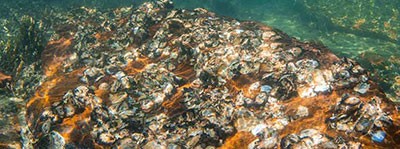
Vibrio bacteria are naturally present in coastal waters, making it difficult to prove negligence. Courts often view the risks as inherent to consuming raw seafood rather than a failure of food safety.
Proving the Source
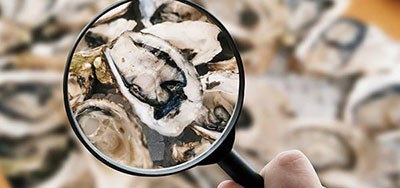
Establishing a direct link between the infection and a specific restaurant or distributor requires evidence, such as lab tests matching the bacteria strain to the food served. Without leftover food or rapid testing, this can be nearly impossible (PMC Study).

Statute of Limitations
Victims must file lawsuits within two years of the incident, leaving little time to gather evidence and build a case (Texas DSHS).

Pre-existing Conditions Defense
Defense attorneys may argue that a victim’s underlying health issues, such as liver disease or diabetes, were the primary cause of the severe outcome rather than negligence by the food seller.
These legal protections and barriers make it extremely difficult for victims in Texas to hold the oyster industry accountable, even in cases of severe illness or death.
MASKING THE DANGER

The oyster industry’s efforts to downplay the risks of Vibrio vulnificus come at a significant human cost.
Who is at Risk?
● People with liver disease, diabetes, or other immunocompromising conditions are at the highest risk of severe infections.
● Older adults and those with chronic illnesses are also disproportionately affected.
● Even healthy individuals can become seriously ill, though they are less likely to die from a Vibrio vulnificus infection.
The Numbers Don’t Lie
Vibrio vulnificus is responsible for 20-25% of all foodborne illness deaths in the U.S., despite accounting for a small fraction of total cases (CDC). This stark statistic underscores the severity of the problem and the need for greater transparency from the oyster industry.
AWARENESS

It’s time for the oyster industry to take responsibility for the risks associated with their product. Consumers deserve to make informed decisions about the food they eat, and that starts with greater transparency and accountability.
Clearer Labeling
Oysters should come with explicit warnings about the risks of Vibrio vulnificus, particularly for vulnerable populations.
Stricter Regulations
Mandatory post-harvest processing, such as freezing or high-pressure treatment, can significantly reduce the presence of Vibrio vulnificus in raw oysters.
Public Education Campaigns
The oyster industry should invest in educating consumers about the risks of consuming raw shellfish and how to reduce their chances of infection.
Improved Legal Protections for Consumers
Victims of Vibrio vulnificus infections should have a clear path to seek justice and compensation.
FUTURE
The oyster industry has long been aware of the dangers posed by Vibrio vulnificus, yet it continues to prioritize profits over public safety. By hiding the problem and creating legal barriers, the industry has left consumers vulnerable to severe and sometimes fatal infections.
It’s time for change. Greater transparency, stricter regulations, and public education are essential to protect consumers and ensure that everyone can make informed decisions about the food they eat. The question isn’t just about the safety of oysters — it’s about the responsibility of the oyster industry to prioritize public health over profits.
CITATIONS
CDC – Vibrio vulnificus risks: CDC Vibrio Overview
Florida Health – Vulnerable populations: Florida Health Vibrio
NBC News – Foodborne illness deaths: NBC News Flesh-Eating Bacteria
PMC – Prevalence in oysters: PMC Study on Vibrio
Industry Liability Protections: Biotech Law
Scope of Immunity: Westlaw
Jones vs. Landry’s case: FindLaw
Pushback on post-harvest treatment: Cambridge University Press