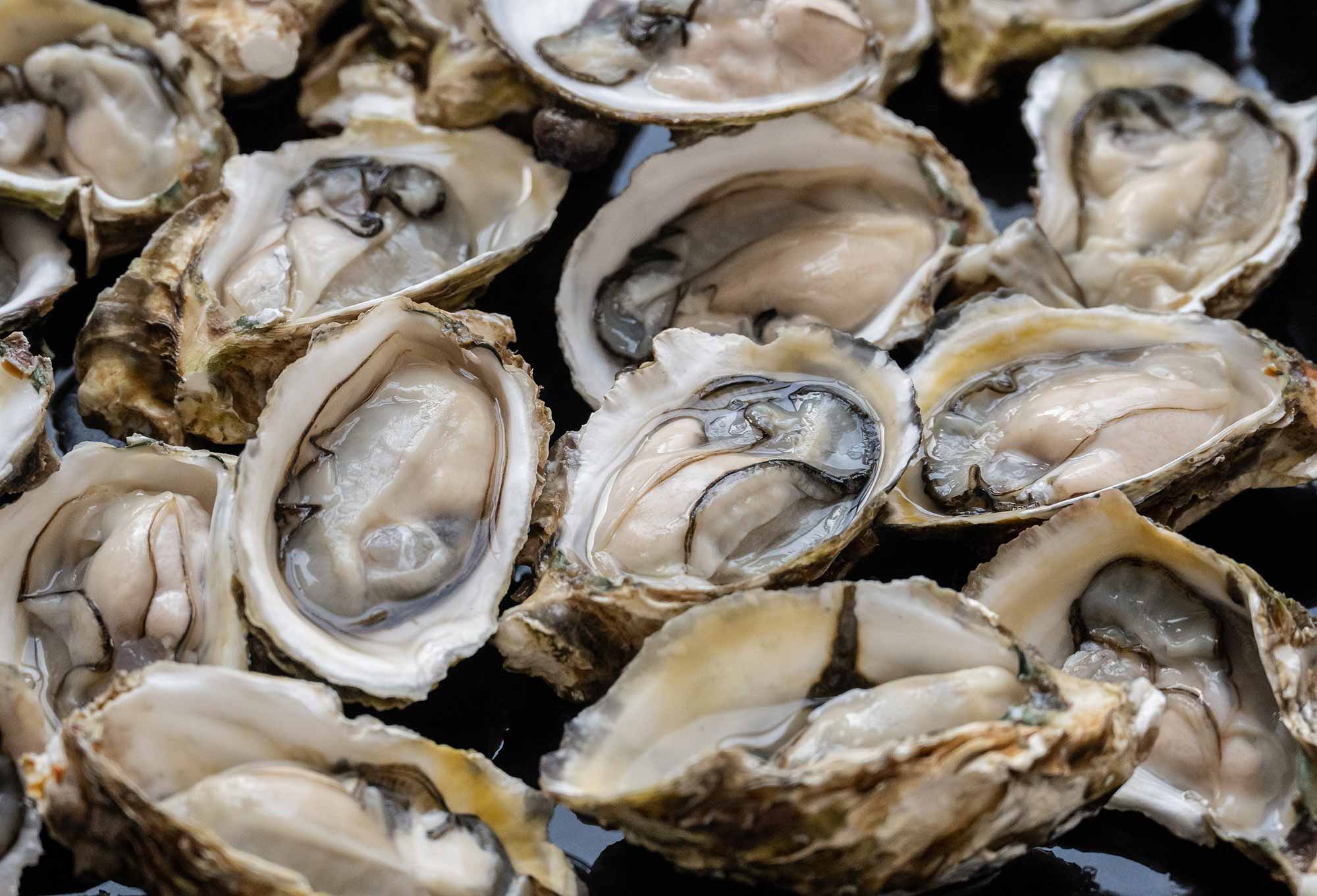
Vibrio vulnificus from a bad oyster can turn deadly fast
Vibrio vulnificus is a rare but severe infection — primarily from bad oysters (raw oysters) and shellfish — that the oyster industry doesn't want you to know about.
Vibrio vulnificus is a rare but severe infection — primarily from bad oysters (raw oysters) and shellfish — that the oyster industry doesn't want you to know about.
KEY VIBRIO FACTS
What it is
Vibrio vulnificus is a bacterium that lives in warm seawater and brackish waters. It's part of the same family as the bacteria that causes cholera.
While many Vibrio species exist harmlessly in marine environments, V. vulnificus is particularly dangerous to humans and can cause severe illness and death if not treated promptly.
What it is
Lives in warm salt and brackish coastal water and can contaminate shellfish.
How Vibrio infects
People are most often infected by eating raw/undercooked shellfish or when an open wound contacts coastal water or raw seafood juices.
Severity
About 1 in 5 people with Vibrio vulnificus infection die—sometimes within a day or two of becoming ill.
Who's at higher risk
Risk of severe illness is higher for some people with underlying health conditions.
KEY VIBRIO FACTS
What it is
Vibrio vulnificus is a bacterium that lives in warm seawater and brackish waters. It's part of the same family as the bacteria that causes cholera.
While many Vibrio species exist harmlessly in marine environments, V. vulnificus is particularly dangerous to humans and can cause severe illness and death if not treated promptly.
What it is
Lives in warm salt and brackish coastal water and can contaminate shellfish.
How Vibrio infects
People are most often infected by eating raw/undercooked shellfish or when an open wound contacts coastal water or raw seafood juices.
Severity
About 1 in 5 people with Vibrio vulnificus infection die—sometimes within a day or two of becoming ill.
Who's at higher risk
Risk of severe illness is higher for some people with underlying health conditions.
KEY VIBRIO FACTS
KEY VIBRIO FACTS
KEY VIBRIO FACTS
What it is
Vibrio vulnificus is a bacterium that lives in warm seawater and brackish waters. It's part of the same family as the bacteria that causes cholera.
While many Vibrio species exist harmlessly in marine environments, V. vulnificus is particularly dangerous to humans and can cause severe illness and death if not treated promptly.
User Focus
VIBRIO KEY FACTS
VIBRIO KEY FACTS
How it infects
Eating Contaminated Seafood
The most common way people get infected is by eating raw or undercooked shellfish, particularly oysters, harvested from warm coastal waters.
Raw oysters are the primary source
Other shellfish like clams and mussels can also carry the bacteria
Cooking seafood thoroughly kills the bacteria
Open wounds exposed to Seawater
Infection can occur when an open wound, cut, or break in the skin comes into contact with seawater or raw seafood containing the bacteria.
Visual Consistency
VIBRIO KEY FACTS
VIBRIO KEY FACTS
Severity
Why It's Dangerous
Can cause death within 24-48 hours of infection
Mortality rate of 30-40% for bloodstream infections(CDC)
May require limb amputation in severe cases
Often misdiagnosed initially due to flu-like symptoms
Visual Consistency
VIBRIO KEY FACTS
VIBRIO KEY FACTS
Who's at higher risk
Certain individuals are at much higher risk of severe infection:
• People with liver disease
• Those with weakened immune systems
• Individuals with diabetes
• Cancer patients
• People with chronic kidney disease
• Those taking immunosuppressant medications
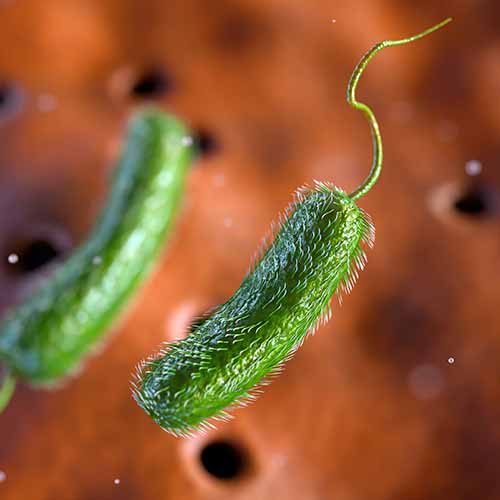
WHAT IS VIBRIO?
WHAT IS VIBRIO?
WHAT IS VIBRIO?
WHAT IS VIBRIO?
What is Vibrio vulnificus?
What is Vibrio vulnificus?
What is Vibrio vulnificus?
Vibrio vulnificus is a bacteria found in warm coastal saltwater and brackish water. It can contaminate raw oysters and other shellfish. It can also enter the body through cuts, scrapes, or other skin openings exposed to warm coastal water.
In severe cases, the infection can spread quickly, leading to bloodstream infection (sepsis), organ failure, and major tissue damage. Some people may hear it described as “flesh-eating” because of how rapidly skin and tissue can be destroyed in certain wound infections.
Vibrio vulnificus is a bacteria found in warm coastal saltwater and brackish water. It can contaminate raw oysters and other shellfish. It can also enter the body through cuts, scrapes, or other skin openings exposed to warm coastal water.
In severe cases, the infection can spread quickly, leading to bloodstream infection (sepsis), organ failure, and major tissue damage. Some people may hear it described as “flesh-eating” because of how rapidly skin and tissue can be destroyed in certain wound infections.
Vibrio vulnificus is a bacteria found in warm coastal saltwater and brackish water. It can contaminate raw oysters and other shellfish. It can also enter the body through cuts, scrapes, or other skin openings exposed to warm coastal water.
In severe cases, the infection can spread quickly, leading to bloodstream infection (sepsis), organ failure, and major tissue damage. Some people may hear it described as “flesh-eating” because of how rapidly skin and tissue can be destroyed in certain wound infections.
EXPOSURE PATHWAYS
EXPOSURE PATHWAYS
EXPOSURE PATHWAYS
EXPOSURE PATHWAYS
How do people get infected?
How do people get infected?
How do people get infected?
It can start with a meal or a normal day near the water—and become a medical emergency.
It can start with a meal or a normal day near the water—and become a medical emergency.
It can start with a meal or a normal day near the water—and become a medical emergency.

Raw oysters or undercooked shellfish
A person eats raw oysters or undercooked shellfish. Symptoms may appear within a day (sometimes longer) and can include severe stomach pain, vomiting, diarrhea, fever, and chills. In people with certain underlying health conditions, the infection can move into the bloodstream and become life-threatening very quickly.

Open wound exposed to warm coastal water
A small cut, scrape, new tattoo, or healing incision is exposed to warm coastal or brackish water (or to raw seafood juices). Over hours to a day, the wound area can become red, hot, swollen, extremely painful, or blistered. Skin may darken (purple/gray/black) as tissue damage progresses.
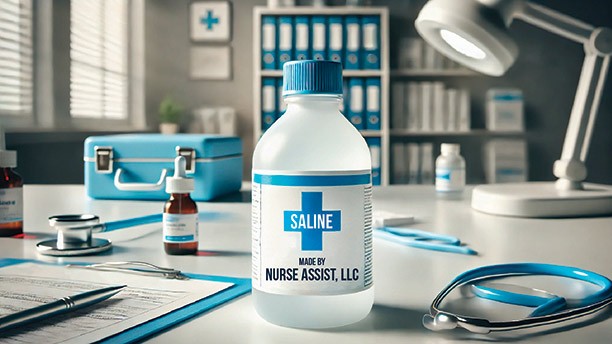
2024 recalled saline products
In 2023–2024, certain saline and sterile water irrigation products associated with Nurse Assist, LLC were recalled due to sterility concerns. If these products were used in wound care, flushing, or irrigation, infection risk may increase.
Raw oysters or undercooked shellfish
A person eats raw oysters or undercooked shellfish. Symptoms may appear within a day (sometimes longer) and can include severe stomach pain, vomiting, diarrhea, fever, and chills. In people with certain underlying health conditions, the infection can move into the bloodstream and become life-threatening very quickly.
Open wound exposed to warm coastal water
A small cut, scrape, new tattoo, or healing incision is exposed to warm coastal or brackish water (or to raw seafood juices). Over hours to a day, the wound area can become red, hot, swollen, extremely painful, or blistered. Skin may darken (purple/gray/black) as tissue damage progresses.
2024 recalled saline products
In 2023–2024, certain saline and sterile water irrigation products associated with Nurse Assist, LLC were recalled due to sterility concerns. If these products were used in wound care, flushing, or irrigation, infection risk may increase.
Raw oysters or undercooked shellfish
A person eats raw oysters or undercooked shellfish. Symptoms may appear within a day (sometimes longer) and can include severe stomach pain, vomiting, diarrhea, fever, and chills. In people with certain underlying health conditions, the infection can move into the bloodstream and become life-threatening very quickly.
Open wound exposed to warm coastal water
A small cut, scrape, new tattoo, or healing incision is exposed to warm coastal or brackish water (or to raw seafood juices). Over hours to a day, the wound area can become red, hot, swollen, extremely painful, or blistered. Skin may darken (purple/gray/black) as tissue damage progresses.
2024 recalled saline products
In 2023–2024, certain saline and sterile water irrigation products associated with Nurse Assist, LLC were recalled due to sterility concerns. If these products were used in wound care, flushing, or irrigation, infection risk may increase.
HIGH-RISK GROUPS
HIGH-RISK GROUPS
HIGH-RISK GROUPS
HIGH-RISK GROUPS
Who is at higher risk of severe infection?
Who is at higher risk of severe infection?
Who is at higher risk of severe infection?
Some people face a higher risk of severe complications—especially from raw oysters or rapidly progressing wound infections.
Some people face a higher risk of severe complications—especially from raw oysters or rapidly progressing wound infections.
Some people face a higher risk of severe complications—especially from raw oysters or rapidly progressing wound infections.
People with liver disease
People with weakened immune systems
Individuals with diabetes
Cancer patients
People with chronic kidney disease
People taking immunosuppressant medications
People with liver disease
People with weakened immune systems
Individuals with diabetes
Cancer patients
People with chronic kidney disease
People taking immunosuppressant medications
People with liver disease
People with weakened immune systems
Individuals with diabetes
Cancer patients
People with chronic kidney disease
People taking immunosuppressant medications

SYMPTOMS
SYMPTOMS
SYMPTOMS
SYMPTOMS
Recognizing symptoms and red flags
Recognizing symptoms and red flags
Recognizing symptoms and red flags
Symptoms can progress quickly. If you suspect a severe infection, seek emergency care.
Symptoms can progress quickly. If you suspect a severe infection, seek emergency care.
Symptoms can progress quickly. If you suspect a severe infection, seek emergency care.
Foodborne illness
After eating raw oysters/shellfish
• Severe abdominal pain
• Vomiting and diarrhea
• Fever and chills
• Weakness, dizziness, dehydration
• In severe cases: blistering skin lesions or signs of sepsis

Wound infection
After wound exposure to warm coastal/brackish water
•Rapidly worsening redness or swelling
•Severe pain
• Blisters or fluid-filled lesions
• Skin discoloration (dark/purple/gray/black)
•Fever, chills, confusion, extreme fatigue
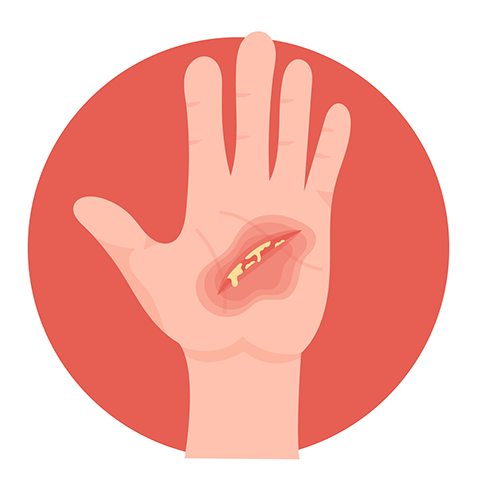
EMERGENCY
EMERGENCY
EMERGENCY
EMERGENCY
If this might be Vibrio, do not wait
If this might be Vibrio, do not wait
If this might be Vibrio, do not wait
This website cannot diagnose or treat any condition. If you suspect a Vibrio vulnificus infection or any serious infection, call 911 or go to the nearest emergency room immediately.
This website cannot diagnose or treat any condition. If you suspect a Vibrio vulnificus infection or any serious infection, call 911 or go to the nearest emergency room immediately.
This website cannot diagnose or treat any condition. If you suspect a Vibrio vulnificus infection or any serious infection, call 911 or go to the nearest emergency room immediately.
Warning signs list:
Rapidly spreading redness or swelling around a wound
Severe, out-of-proportion pain
Blisters or black, purple, or gray patches of skin
Fever, chills, confusion, or trouble staying awake
Low blood pressure, clammy skin, or a racing heartbeat
Warning signs list:
Rapidly spreading redness or swelling around a wound
Severe, out-of-proportion pain
Blisters or black, purple, or gray patches of skin
Fever, chills, confusion, or trouble staying awake
Low blood pressure, clammy skin, or a racing heartbeat
Warning signs list:
Rapidly spreading redness or swelling around a wound
Severe, out-of-proportion pain
Blisters or black, purple, or gray patches of skin
Fever, chills, confusion, or trouble staying awake
Low blood pressure, clammy skin, or a racing heartbeat
LEGAL RESPONSIBILITY FOR CONTAMINATION
LEGAL RESPONSIBILITY FOR CONTAMINATION
LEGAL RESPONSIBILITY FOR CONTAMINATION
LEGAL RESPONSIBILITY FOR CONTAMINATION


When a “bad oyster” isn’t just bad luck
When a “bad oyster” isn’t just bad luck
When a “bad oyster” isn’t just bad luck
Could this infection—or death—have been prevented?
Could this infection—or death—have been prevented?
Could this infection—or death—have been prevented?
Some Vibrio infections are tragic accidents. Others may involve preventable failures—like breakdowns in food handling, storage temperatures, supply chain controls, warnings to higher-risk consumers, or the use of recalled products.
Some Vibrio infections are tragic accidents. Others may involve preventable failures—like breakdowns in food handling, storage temperatures, supply chain controls, warnings to higher-risk consumers, or the use of recalled products.
Some Vibrio infections are tragic accidents. Others may involve preventable failures—like breakdowns in food handling, storage temperatures, supply chain controls, warnings to higher-risk consumers, or the use of recalled products.
This website cannot tell you if you have a legal case. If you want to find out if you have one, you should speak to an attorney with experience fighting Vibrio vulnificus cases.
This website cannot tell you if you have a legal case. If you want to find out if you have one, you should speak to an attorney with experience fighting Vibrio vulnificus cases.
This website cannot tell you if you have a legal case. If you want to find out if you have one, you should speak to an attorney with experience fighting Vibrio vulnificus cases.
Questions attorneys investigate:
Where the oysters/shellfish came from and how they were handled and stored
Whether temperature controls failed during transport, storage, or service
Whether power outages or refrigeration failures occurred
Whether warnings were provided to higher-risk individuals
Whether recalled water-based medical products were used (and whether lot numbers can be identified)
Questions attorneys investigate:
Where the oysters/shellfish came from and how they were handled and stored
Whether temperature controls failed during transport, storage, or service
Whether power outages or refrigeration failures occurred
Whether warnings were provided to higher-risk individuals
Whether recalled water-based medical products were used (and whether lot numbers can be identified)
Questions attorneys investigate:
Where the oysters/shellfish came from and how they were handled and stored
Whether temperature controls failed during transport, storage, or service
Whether power outages or refrigeration failures occurred
Whether warnings were provided to higher-risk individuals
Whether recalled water-based medical products were used (and whether lot numbers can be identified)
FAQ
FAQ
FAQ
FAQ
Quick answers to Vibrio questions
Quick answers to Vibrio questions
Quick answers to Vibrio questions
Sources include CDC and FDA materials. See resources for links.
What is Vibrio vulnificus—and why is it considered so dangerous?
Vibrio vulnificus is a bacteria found in coastal saltwater that can cause severe illness, including bloodstream infections. The CDC notes that about 1 in 5 people with this infection die, sometimes within a day or two of becoming ill.
How do people get Vibrio vulnificus infections?
The most common “headline” pathway is eating raw or undercooked oysters, because oysters can concentrate bacteria from the water they filter. Infection can also happen when an open wound is exposed to warm, brackish seawater.
How fast can a Vibrio wound infection show up after seawater exposure?
Health agencies note that skin/wound infections can begin quickly—often within 12 to 72 hours after exposure to contaminated seawater.
Who is at higher risk for severe complications from Vibrio vulnificus?
People with certain underlying conditions—especially liver disease—are at higher risk of severe illness and bloodstream infection.
If I got sick after eating raw oysters, could I have a legal case?
Potentially. A key issue is traceability and food-safety compliance—for example, FDA Food Code materials emphasize that molluscan shellfish identification records must be kept (commonly for 90 days) so regulators can respond quickly to outbreaks. That same traceability can matter in investigating what happened and who may be responsible.
What is Vibrio vulnificus—and why is it considered so dangerous?
Vibrio vulnificus is a bacteria found in coastal saltwater that can cause severe illness, including bloodstream infections. The CDC notes that about 1 in 5 people with this infection die, sometimes within a day or two of becoming ill.
How do people get Vibrio vulnificus infections?
The most common “headline” pathway is eating raw or undercooked oysters, because oysters can concentrate bacteria from the water they filter. Infection can also happen when an open wound is exposed to warm, brackish seawater.
How fast can a Vibrio wound infection show up after seawater exposure?
Health agencies note that skin/wound infections can begin quickly—often within 12 to 72 hours after exposure to contaminated seawater.
Who is at higher risk for severe complications from Vibrio vulnificus?
People with certain underlying conditions—especially liver disease—are at higher risk of severe illness and bloodstream infection.
If I got sick after eating raw oysters, could I have a legal case?
Potentially. A key issue is traceability and food-safety compliance—for example, FDA Food Code materials emphasize that molluscan shellfish identification records must be kept (commonly for 90 days) so regulators can respond quickly to outbreaks. That same traceability can matter in investigating what happened and who may be responsible.
What is Vibrio vulnificus—and why is it considered so dangerous?
Vibrio vulnificus is a bacteria found in coastal saltwater that can cause severe illness, including bloodstream infections. The CDC notes that about 1 in 5 people with this infection die, sometimes within a day or two of becoming ill.
How do people get Vibrio vulnificus infections?
The most common “headline” pathway is eating raw or undercooked oysters, because oysters can concentrate bacteria from the water they filter. Infection can also happen when an open wound is exposed to warm, brackish seawater.
How fast can a Vibrio wound infection show up after seawater exposure?
Health agencies note that skin/wound infections can begin quickly—often within 12 to 72 hours after exposure to contaminated seawater.
Who is at higher risk for severe complications from Vibrio vulnificus?
People with certain underlying conditions—especially liver disease—are at higher risk of severe illness and bloodstream infection.
If I got sick after eating raw oysters, could I have a legal case?
Potentially. A key issue is traceability and food-safety compliance—for example, FDA Food Code materials emphasize that molluscan shellfish identification records must be kept (commonly for 90 days) so regulators can respond quickly to outbreaks. That same traceability can matter in investigating what happened and who may be responsible.
What is Vibrio vulnificus—and why is it considered so dangerous?
Vibrio vulnificus is a bacteria found in coastal saltwater that can cause severe illness, including bloodstream infections. The CDC notes that about 1 in 5 people with this infection die, sometimes within a day or two of becoming ill.
How do people get Vibrio vulnificus infections?
The most common “headline” pathway is eating raw or undercooked oysters, because oysters can concentrate bacteria from the water they filter. Infection can also happen when an open wound is exposed to warm, brackish seawater.
How fast can a Vibrio wound infection show up after seawater exposure?
Health agencies note that skin/wound infections can begin quickly—often within 12 to 72 hours after exposure to contaminated seawater.
Who is at higher risk for severe complications from Vibrio vulnificus?
People with certain underlying conditions—especially liver disease—are at higher risk of severe illness and bloodstream infection.
If I got sick after eating raw oysters, could I have a legal case?
Potentially. A key issue is traceability and food-safety compliance—for example, FDA Food Code materials emphasize that molluscan shellfish identification records must be kept (commonly for 90 days) so regulators can respond quickly to outbreaks. That same traceability can matter in investigating what happened and who may be responsible.